SwimSafer CAMS: A Parent’s Guide to Registration, Theory and Certificates
Parents preparing a child for a private SwimSafer assessment may encounter CAMS during registration, theory completion, results checking and certificate retrieval. CAMS is the current administrative route used for private SwimSafer assessments registered from July 2025 onwards.
The important distinction is that CAMS manages the assessment process. It does not replace swimming lessons or determine whether a child is technically ready. The coach still prepares the swimmer and advises on readiness, while CAMS handles the relevant registration and assessment records.
For parents, the easiest way to avoid confusion is to treat the process as a sequence: confirm the correct stage, complete registration through the applicable route, attend the practical assessment, complete the required theory component, then check the result and e-certificate.
What Is SwimSafer CAMS?
CAMS refers to the Centralised Assessment Management System used for current private SwimSafer assessments. It brings several administrative steps into one assessment workflow.
For a parent, the system is relevant because it can contain information connected with the child’s private assessment, including registration, theory completion, assessment results and certificate retrieval.
This is different from the swimming programme itself. SwimSafer remains Singapore’s progressive water-safety and swimming framework. Children develop swimming, survival and safety competencies through lessons before they are assessed.
Parents who need the broader programme structure can first review the SwimSafer programme in Singapore.
When Does CAMS Apply?
The assessment route matters because older records and school-based assessments may not follow exactly the same process.
For current private assessments registered after 30 June 2025, CAMS is the relevant route described in existing SwimSafer guidance. Older assessments can have different certificate-retrieval arrangements, while MOE school assessments may follow their applicable school process.
This explains why parents sometimes receive conflicting instructions from friends or from older online posts. A parent whose older child completed SwimSafer several years ago may remember a different portal from the one used for a younger child’s current private assessment.
Use the instructions associated with the child’s actual assessment rather than assuming that an older sibling’s process still applies.
Step 1: Confirm the Correct SwimSafer Stage
Before thinking about CAMS registration, confirm which stage the child is preparing to take.
SwimSafer has six progressive stages. Assessment should follow demonstrated competency rather than a parent’s preferred timeline. A child may have attended lessons for several months without being ready for the next stage, while another child with stronger prior skills may progress differently.
Ask the coach which stage is appropriate and whether the swimmer can perform the required components consistently.
This prevents an administrative problem from becoming a training problem. Registering the wrong stage does not make the child ready for it.
For children still developing the required competencies, regular kids swimming lessons in Singapore remain the appropriate place to build the underlying skills.
Step 2: Check the Assessment Details Before Registration
Parents should verify the assessment date, venue and stage before completing the registration process.
Do not assume that the assessment will be held at the same pool where the child normally trains. The available assessment arrangement determines the venue.
Also check the registration deadline early. Current private-assessment guidance used in SWIM2000’s existing SwimSafer materials states that registration and payment are completed before the assessment closing deadline, with the prevailing process requiring advance registration rather than same-day entry.
The practical rule is simple: once the coach confirms readiness, complete the administrative steps promptly instead of waiting until assessment week.
Families training in North Singapore can review swimming lessons in Yishun and swimming lessons at Bukit Canberra for regular lesson information. Training location and assessment location should still be treated as separate details.
Step 3: Prepare for the Practical Assessment
CAMS registration is only the administrative side. The swimmer still needs to perform the practical requirements for the relevant stage.
Preparation should happen during normal lessons, not through last-minute drilling after registration.
Parents should ask the coach:
- Which components are already consistent?
- Which component remains the weakest?
- Can the child complete the required sequence without repeated prompting?
- Does technique remain controlled when the child becomes tired?
- Has the child practised the relevant survival skills under appropriate supervision?
A booked assessment date should confirm existing competency. It should not become the deadline by which the child is forced to acquire missing skills.
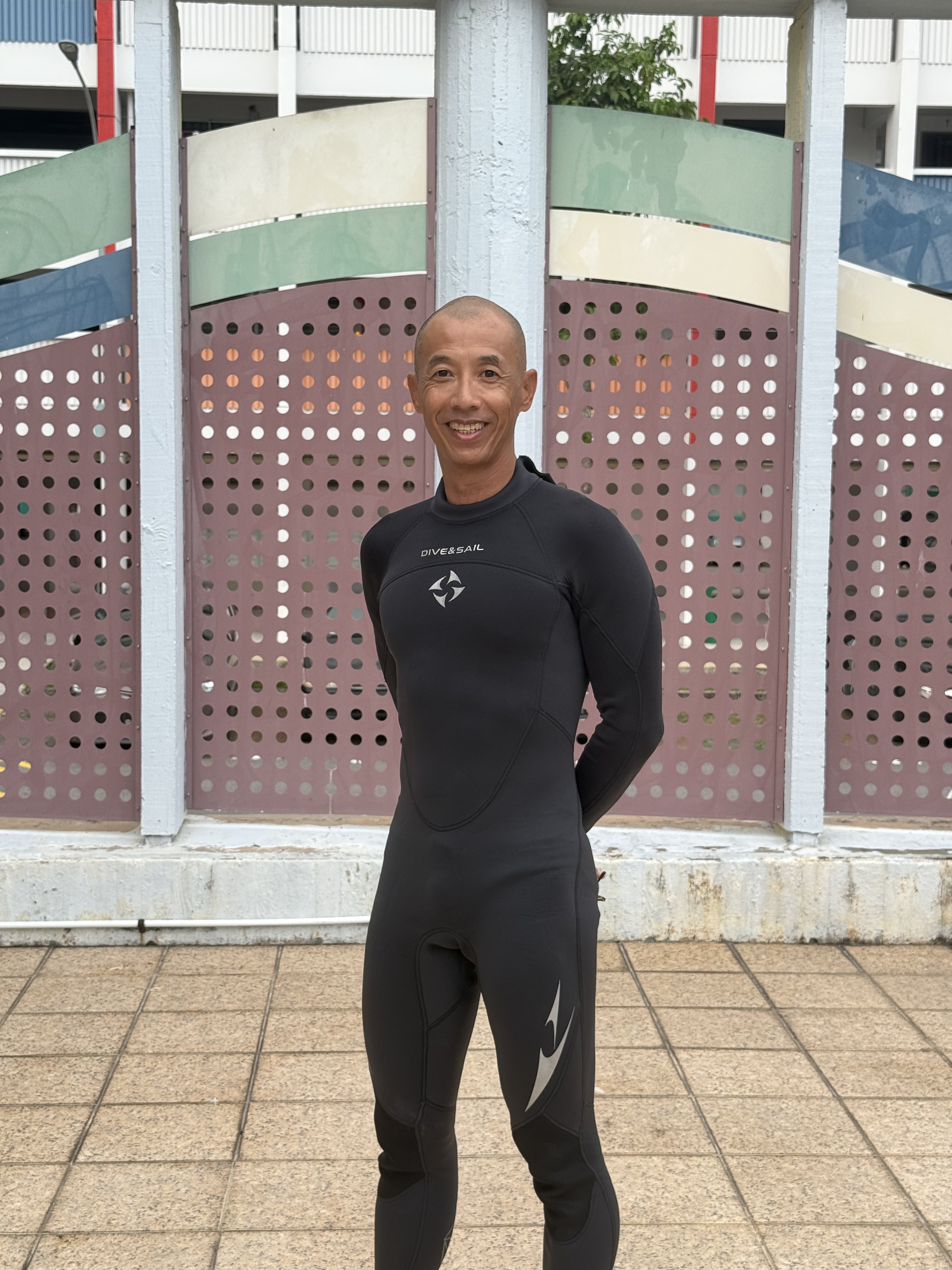
Coach David Lim and the SWIM2000 coaching team can use normal lesson performance to judge whether a swimmer is ready to be assessed.
Step 4: Complete the Applicable Theory Requirement
SwimSafer certification includes a theory component in addition to the practical assessment.
For current private CAMS assessments, existing official-process guidance reflected in SWIM2000’s assessment materials states that the online theory quiz is completed through CAMS. Parents should follow the current instructions attached to the child’s assessment.
Theory should not be treated as trivia to memorise immediately before completion. It reinforces water-safety principles such as hazard awareness, survival decisions and safe responses around aquatic environments.
Children benefit more from understanding why an action is safe than from memorising an answer without context.
The theory component also matters administratively. Completing the practical assessment alone does not necessarily mean the certification process is finished. Parents should check that the required theory status is complete for the correct stage.
Step 5: Check the Practical Result
After the practical assessment, allow time for the result to be processed.
Existing current-process guidance used in SWIM2000’s SwimSafer materials states that CAMS results are generally made available after processing rather than necessarily appearing the moment the child leaves the pool.
If a result does not appear immediately, first check whether the normal processing period has passed. Avoid creating duplicate registrations or assuming the result has been lost simply because the online record has not updated on the same day.
If the result still appears incorrect after the expected processing period, keep the assessment details available so that any enquiry can identify the participant, stage and assessment accurately.
Step 6: Retrieve the SwimSafer E-Certificate
For current private assessments registered through CAMS after 30 June 2025, the e-certificate is retrieved through the CAMS route after the required components have been completed and processed.
The certificate should be treated as the final administrative record of the completed stage, not as the only evidence of swimming development.
A child may pass an assessment and still have technical areas to improve. Likewise, a swimmer who needs another attempt may have made substantial progress in other components.
Parents should save the e-certificate once it becomes available, then ask the coach what the child’s next technical priority should be.
Common CAMS Problems Parents Can Check First
The practical result is available but there is no certificate
Check whether the required theory component has been completed and recorded for the same stage. Certification depends on completion of the applicable requirements, not only the practical pool assessment.
The theory quiz was completed for a different stage
The practical and theory records need to correspond to the relevant stage. If the records do not match, follow the applicable correction or enquiry process rather than attempting random additional quizzes.
The child’s details are incorrect
Participant information should be checked carefully during registration. Incorrect details can complicate record matching and certificate administration.
If information is wrong, use the appropriate correction process. Avoid creating inconsistent duplicate records as a workaround.
The parent is checking an old platform
This is common when an older sibling completed SwimSafer under a previous process. Current private CAMS assessments should be checked through the route applicable to that assessment rather than relying on old MyActiveSG or FileSG instructions.
The assessment was through a school
School-based assessment arrangements may differ from the current private CAMS route. Follow the instructions issued for the child’s actual school assessment instead of assuming that every SwimSafer participant uses the same administrative workflow.
CAMS Does Not Replace Coach Readiness
Because CAMS makes registration and assessment administration visible, parents can accidentally focus on booking the next stage rather than whether the swimmer is ready.
The order should remain competency first, registration second.
A child who repeatedly loses technique, panics during survival tasks or cannot complete the required work consistently needs further preparation regardless of whether an assessment slot is available.
Where a specific stroke fault is preventing progress, focused stroke correction may be more useful than repeatedly attempting the same assessment.
The system records the assessment. The swimmer still has to develop the competency.
Frequently Asked Questions
What does CAMS mean for SwimSafer?
CAMS is the Centralised Assessment Management System used for current private SwimSafer assessment administration. It is relevant to registration, the applicable theory process, results and e-certificate retrieval.
Does every SwimSafer participant use CAMS?
Do not assume so. Current private assessments registered from July 2025 onwards use the CAMS route described in prevailing guidance, while older records and school-based assessment routes can differ.
Is CAMS where my child learns SwimSafer?
No. Swimming and water-safety competencies are developed through lessons. CAMS manages the relevant assessment administration.
Does passing the practical assessment automatically produce a certificate?
Not necessarily. The applicable theory requirement also needs to be completed and the assessment records processed before certification is complete.
Where is the e-certificate for a current private assessment?
For private assessments registered through CAMS after 30 June 2025, current guidance directs participants to retrieve the e-certificate through CAMS after the required components are completed and processed.
What should I do if the result or certificate is missing?
Check the assessment stage, practical result, theory completion, participant details, assessment route and expected processing period. If those are correct and the record remains unavailable, use the applicable official enquiry process.
Can I register my child for the next stage as soon as a certificate appears?
The next assessment should still be based on readiness. Ask the coach whether the child can perform the next stage’s skills consistently before registering.
Use CAMS as the Administrative Checklist
For parents, SwimSafer CAMS is easiest to understand as the administrative layer around a private assessment.
First confirm that the child is ready and registered for the correct stage. Then verify the assessment details, complete the practical assessment, finish the applicable theory requirement, check the processed result and retrieve the e-certificate.
Keeping those steps separate prevents most confusion. The coach manages skill development and readiness. The assessment confirms competency. CAMS records the administrative outcome.
That distinction keeps the focus where it belongs: developing a swimmer who can perform the required skills safely and consistently, with the certificate documenting the result rather than becoming the purpose of the training.
Ready to Start Swimming?
Book your first lesson with our certified coaches today. Suitable for all ages and skill levels.
Join Our Class NowTypically replies within minutes · No commitment required