
How Long Does It Take to Pass SwimSafer? A Parent’s Guide to Progress in Singapore
Parents often ask how long it takes a child to pass SwimSafer. There is no responsible fixed answer because SwimSafer progression is based on demonstrated competency, not simply the number of lessons attended.
A child who already has water confidence and basic swimming skills may prepare for a stage faster than a complete beginner. Another child may need more time to develop breathing control, stroke coordination, endurance or confidence in deeper water. Attendance consistency also changes the timeline significantly.
The useful question is therefore not only “How many months will this take?” but “What must my child be able to do consistently before the next assessment?” Understanding that distinction helps parents track real progress without turning SwimSafer into a race for certificates.
Is There a Fixed Time to Pass SwimSafer?
No single duration applies to every child or every stage. SwimSafer is a progressive water-safety and swimming programme, and each stage introduces different demands. Early stages focus more heavily on confidence, control and foundational aquatic skills. Later stages require stronger stroke competency, survival skills and endurance.
A child is ready for assessment when the relevant skills can be performed safely and consistently, not merely because a certain number of weeks has passed.
This means two children who start lessons on the same day may take their assessments at different times. That difference does not automatically mean one child is progressing poorly. Their starting ability, confidence, coordination and learning needs may be different.
Parents who want an overview of the full pathway can review SWIM2000’s SwimSafer programme in Singapore before discussing stage readiness with the coach.
What Determines How Long SwimSafer Takes?
Several factors have a direct effect on progression. Looking at them separately gives parents a more useful picture than relying on a promised completion date.
Starting water confidence
A child who is relaxed in the pool can concentrate on instructions and movement. A child who is still uncomfortable putting the face in the water may need to build confidence before technical learning becomes productive.
This matters especially in the earlier stages. Floating, submersion, breathing control and independent movement are difficult to learn when the swimmer is tense or panicking.
Confidence work is therefore part of SwimSafer preparation, not a delay before “real” swimming begins.
Existing swimming ability
Some children enter a SwimSafer-aligned programme after previous lessons. They may already have basic freestyle, breaststroke or water-survival skills. Others start with no formal swimming experience.
A coach should assess what the child can actually demonstrate rather than assume ability from age or previous lesson count. Existing skills can shorten preparation only when those skills meet the required standard and remain reliable under assessment conditions.
Lesson consistency
Swimming is a motor skill. Regular practice helps children retain breathing patterns, body position, coordination and confidence. Long gaps can make a beginner spend part of each lesson rebuilding familiarity rather than progressing to the next skill.
Consistency does not mean children need intensive daily training. It means the learning sequence should be regular enough for one lesson to build logically on the previous one.
For North Singapore families, choosing a practical location can support attendance. SWIM2000 offers swimming lessons in Yishun and swimming lessons at Bukit Canberra, allowing families to consider a venue that fits their routine.
Technique and coordination
A child may be confident and physically active but still need time to coordinate breathing, kicking and arm actions. Another may understand instructions quickly but require repetition before the movement becomes automatic.
As distances increase, inefficient technique becomes more important. A swimmer who lifts the head excessively, holds the breath or uses an inefficient kick may complete short distances but struggle when endurance requirements increase.
Technical correction at the appropriate stage can prevent these weaknesses from becoming larger problems later.
Assessment readiness
Training performance and assessment readiness are related but not identical. A child may complete a skill once during a familiar lesson after several reminders. Assessment readiness requires greater independence and repeatability.
Before registration, the coach should be satisfied that the swimmer can manage the relevant tasks safely and with sufficient consistency. Booking an assessment simply because a convenient date is available can create unnecessary pressure and does not improve the child’s underlying ability.
Why Later SwimSafer Stages Can Take Longer
SwimSafer becomes progressively more demanding. A child who moved quickly through an earlier stage may need more preparation later, and that change is not unusual.
Higher stages combine more swimming distance with greater technical and survival demands. As the swimmer becomes tired, weaknesses in breathing, body position or stroke efficiency become easier to see.
The child must also remember and execute increasingly complex tasks. That requires physical ability, understanding and composure rather than speed alone.
Parents should therefore avoid projecting an early-stage timeline onto the entire programme. Completing one stage quickly does not establish a fixed pace for all remaining stages.
How Parents Can Judge Real Progress Between Assessments
Certificates are clear milestones, but useful progress happens during ordinary lessons. Parents can look for changes in independence and control.
The child needs fewer reminders
A skill is becoming more secure when the swimmer can perform it without repeated prompting. This applies to breathing, body position, safety procedures and task sequences.
Swimming looks calmer
Efficient swimming usually looks less frantic. Better balance, controlled breathing and smoother movement often indicate improvement even before distance increases substantially.
Skills are repeatable
One successful attempt is encouraging, but repeated success is stronger evidence of readiness. A child who can perform a task across several lessons is less dependent on luck or unusually favourable conditions.
Recovery improves
A developing swimmer should become better at regaining balance, controlling breathing and responding calmly after a mistake. Recovery is an important part of water competence because real swimming does not always go perfectly.
Endurance increases without technique collapsing
Swimming farther is useful only when the swimmer retains reasonable control. If every additional length produces major deterioration in breathing or body position, technique may need attention before distance is increased further.
Should Parents Ask for an Assessment Date Early?
Parents can ask about likely assessment windows, but the date should not become the main training objective before the child is ready.
A better discussion with the coach covers three points: which requirements are already secure, which remain inconsistent and what evidence would indicate readiness for registration.
This gives the family a practical view of progress without creating a deadline the swimmer may not be able to control.
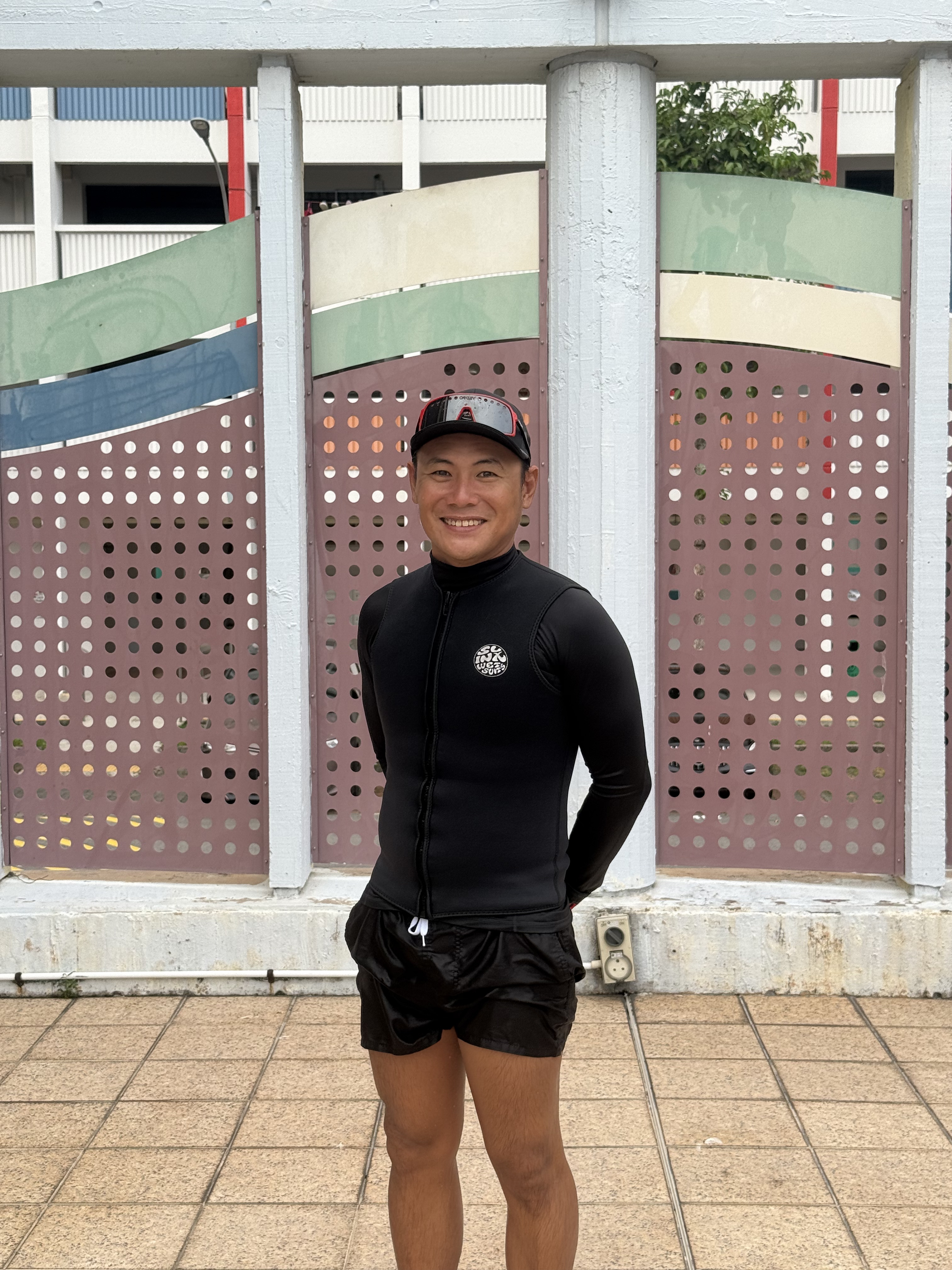
Coach Neo Kah Heng and the SWIM2000 coaching team use ongoing lesson performance to identify whether a swimmer needs more work on confidence, technique, endurance or stage-specific skills before assessment.
For children who are still developing their foundations, SWIM2000’s kids swimming lessons in Singapore provide a structured pathway that can support progression before and between SwimSafer assessments.
How to Help Your Child Progress Without Rushing
Parents have an important role, but most technical coaching should remain with the instructor. The most useful support is usually simple.
Maintain regular attendance where possible. Make sure the child arrives with enough time to settle before class. Ask about specific skill progress rather than only the next test date. Reinforce water-safety concepts at home without turning them into high-pressure revision sessions.
Avoid comparing siblings or classmates. Children can differ substantially in confidence, coordination and previous exposure even when they are the same age.
Also avoid adding conflicting technical instructions from videos or casual advice when the coach is already correcting a particular movement. Too many cues can make a young swimmer less consistent rather than more capable.
If a child has a specific stroke problem that is limiting later-stage progress, targeted stroke correction may be relevant once the swimmer has sufficient foundational ability for focused technical work.
When Slow Progress May Need a Different Approach
Slow progression does not automatically indicate a problem. However, if the same limitation remains unchanged over a long period, parents should ask for a specific explanation.
For example, is the child unable to progress because of fear in deeper water? Is breathing coordination limiting continuous swimming? Is attendance too irregular for skills to consolidate? Is one stroke creating excessive fatigue? Does the child understand a survival sequence but struggle to perform it independently?
A specific diagnosis is more useful than simply adding more lessons. Once the limiting factor is identified, training can focus on the actual problem.
Parents can also review the SWIM2000 FAQ for practical questions about lessons and programme arrangements.
Frequently Asked Questions
How many lessons does it take to pass a SwimSafer stage?
There is no universal lesson count. The time required depends on starting ability, confidence, attendance, coordination and the requirements of the stage. Assessment should follow demonstrated readiness rather than a fixed number of classes.
Can a child complete several SwimSafer stages quickly?
A child with strong existing swimming skills may progress faster than a complete beginner, but each stage still requires the relevant competencies to be demonstrated. Prior ability should be assessed rather than assumed.
Why did my child pass an earlier stage quickly but take longer at the next stage?
Later stages introduce greater distance, technique, survival and endurance demands. Progress commonly slows when the swimmer reaches skills that require more coordination or physical control.
Does missing lessons affect SwimSafer progress?
It can. Long or frequent gaps may reduce continuity, especially for beginners who are still developing confidence and motor patterns. Regular attendance generally makes it easier to build from one lesson to the next.
Should I register my child for assessment before every skill is consistent?
Assessment registration should be guided by the coach’s judgement of readiness. A child who can perform a skill only with repeated reminders may need further preparation before an assessment attempt.
Is passing SwimSafer more important than learning good technique?
They should not be treated as competing goals. SwimSafer develops water-safety and swimming competency, while sound technique supports efficient and sustainable performance as distances and demands increase.
Where can my child prepare for SwimSafer in North Singapore?
Families can consider structured lessons in Yishun or Bukit Canberra, depending on location and programme suitability. Consistent attendance and appropriate stage preparation are more important than choosing a programme solely around the earliest available assessment date.
Measure Competency, Not the Calendar
The time it takes to pass SwimSafer depends on what the child can already do and how consistently new skills develop. There is no single number of weeks or lessons that accurately predicts every swimmer’s progression.
Parents will get a clearer answer by tracking confidence, independence, technique, endurance and repeatability. When those qualities meet the requirements of the relevant stage, the assessment becomes a confirmation of developed ability rather than a deadline the child is trying to beat.
Ready to Start Swimming?
Book your first lesson with our certified coaches today. Suitable for all ages and skill levels.
Join Our Class NowTypically replies within minutes · No commitment required